CURRENT ELECTRIC / RESIDENTIAL WORK
GOOD LIGHT.
GREAT LIVING.
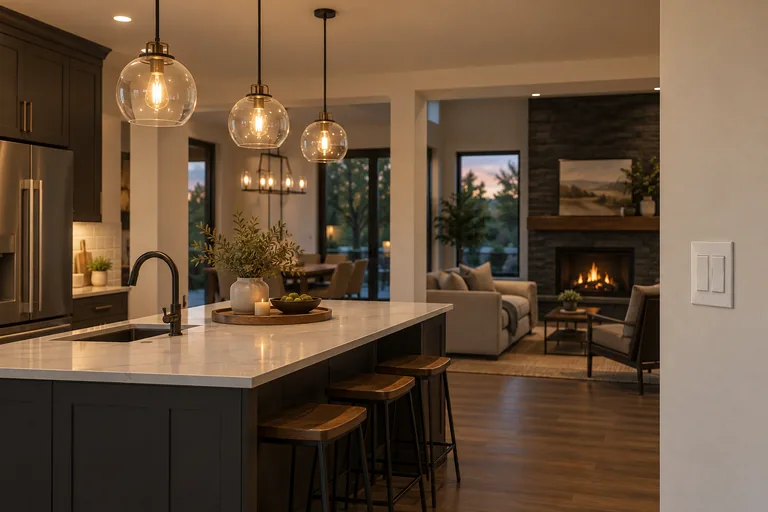
Make the everyday
work beautifully.
A welcoming light. A useful outlet. Thoughtful changes for the way you live.
- 01
- Lighting & atmosphere
- 02
- Outlets & switches
- 03
- Home upgrades
THE WORK SCHEDULE
CONSIDER
EVERY
CONNECTION.
- 01 / LIGHTINGSet the mood.
- A task light over the counter. A warmer evening in the living room. Consider fixtures around the way each space is used.
- 02 / OUTLETS & SWITCHESMake it useful.
- The touchpoints you use all day deserve a place in the plan, from everyday controls to a better-placed outlet.
- 03 / HOME UPGRADESThink ahead.
- A new workspace, a changed layout, or a renovation. Begin with the existing setup and your next chapter.
THE ROOM STUDY / PLAN AROUND REAL LIFE
START WITH THE ROOM.
THEN THE DETAILS.
A useful project brief starts with what happens in a space. Describe the routines, the furniture, and the feeling you want before discussing the electrical work needed to support them.
The places you settle into.
A living room might move from reading in the afternoon to conversation in the evening. Note the seating layout, where light feels missing, and how you would like the room to change throughout the day.
Bring examples of the atmosphere you like. Those references can guide a conversation about fixtures and controls alongside an assessment of the existing setup.
A place to do the everyday.
For a desk, worktop, or hobby corner, explain the tasks and equipment involved. A furniture sketch and a list of the items used there can make the priorities easier to understand.
The spaces in between.
Entryways and connecting rooms have their own routines. Describe how you enter, leave, and move through the home so the discussion includes the controls and lighting you use along the way.
PROJECT NOTES / FROM IDEA TO SCOPE
GET THE BRIEF
IN GOOD SHAPE.
The intended result and the existing installation both belong in the plan. Keep the practical questions visible as the project takes shape.
Name the priorities.
Separate the changes you need from the ideas you are still exploring. Include any planned furniture moves or renovations so the conversation considers the room you are working toward.
Ask about the whole scope.
Discuss what needs to be assessed, which fixtures or equipment are part of the proposal, and what access is required. Clarify whether any surrounding finish work needs to be arranged separately.
Keep the handover useful.
Ask for an explanation of the completed changes and relevant operating information. Keep product details and any outstanding questions together so the new setup is easier to understand and use.
The everyday picture
A little intention
changes the whole room.
The most useful starting point is the life already happening at home. Where you gather. How you work. What you would like to feel easier.
Look at how you live
Start with the rooms, routines, and details that matter to you.
Consider the existing space
Bring the current layout and equipment into the conversation about your plans.
Make the scope clear
Talk through the proposed work and your questions before moving forward.